
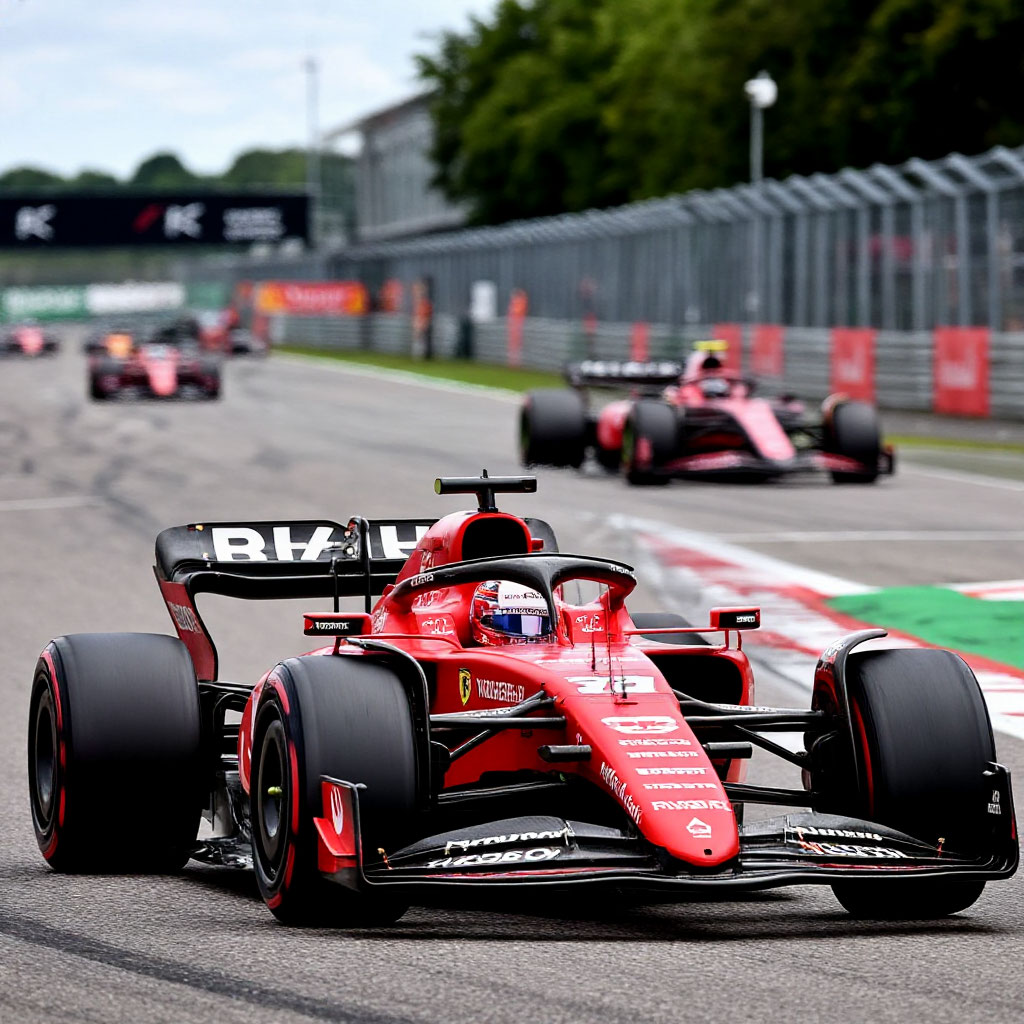
Grassroots racing remains vital. Championships like GB3, GB4, and British GT serve as crucial stepping stones. In 2024, the FIA’s new cost-capping rules have made junior formulae more accessible, allowing young British drivers to compete without million-pound budgets. The Motorsport UK Academy has expanded its scholarship programme, supporting 30 young racers in 2024 alone with funding, mentoring, and simulator access.
Advertising
However, challenges persist. The path from karting to F1 is longer and more expensive than ever. While Hamilton benefited from the McLaren Young Driver Programme, such opportunities are now rarer. Many British talents must seek backing from international sponsors or pivot to endurance racing and Formula E to stay competitive.
Moreover, F1’s globalisation has intensified competition. Drivers from the Netherlands, Monaco, and emerging markets now dominate headlines, and team decisions are increasingly influenced by financial backing rather than pure talent. British drivers must not only be fast—they must also bring value, visibility, and commercial appeal.
Still, history is on their side. The UK has produced champions in every decade since the 1950s. With world-class facilities, a deep engineering base, and a culture that celebrates speed and innovation, the ecosystem for success remains intact.
In 2024, the dream of another British world champion is alive. Lando Norris stands on the brink, and a new wave of talent is coming. While the road is tougher, the passion for motorsport in Britain hasn’t faded—it’s evolving. With the right support, the Union Jack could soon fly atop the F1 podium once again.